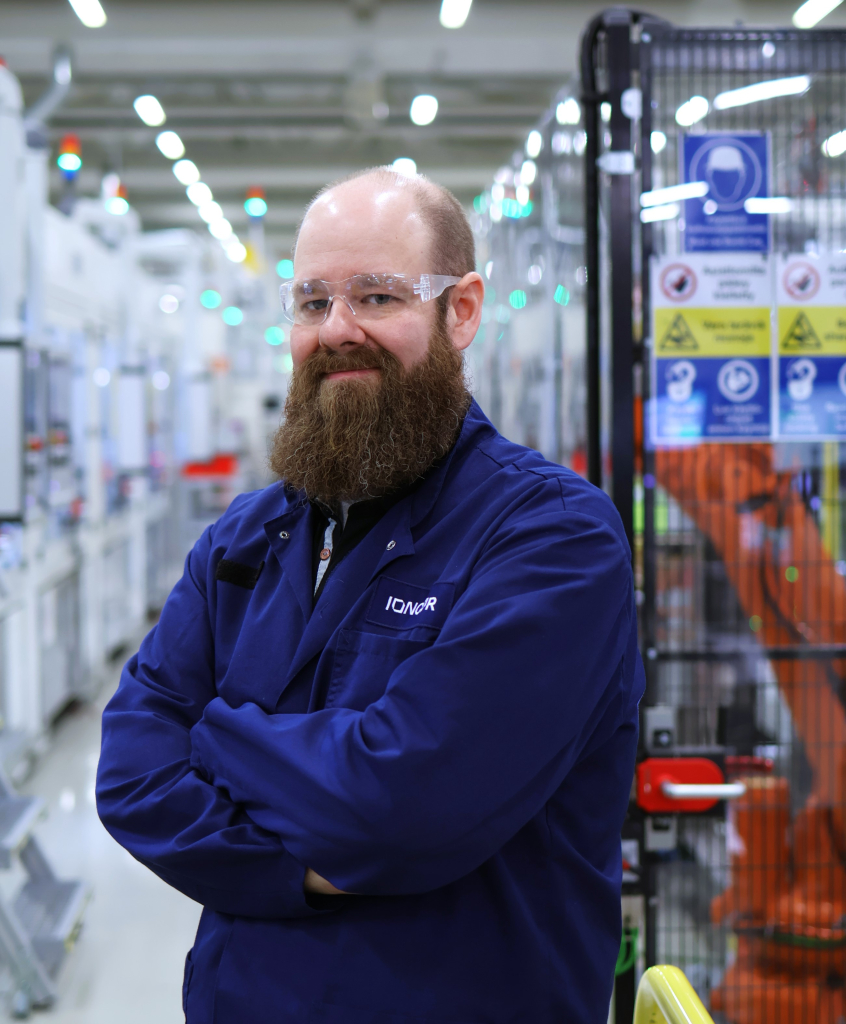
Early in manufacturing, I didn’t have a blueprint for leadership. I had mentors, managers who trusted me, and colleagues who taught me what good leadership looks like—and sometimes what it doesn’t. From the best, I learned the power of trusting your people and creating conditions for success. From the not-so-great, I learned how destructive micromanagement and lack of empathy can be.
A defining moment came in Salo, Finland, when a major manufacturing error occurred. The managing director reminded us: people don’t fail—processes do. That reshaped my leadership philosophy: set people up to succeed, don’t punish them when they stumble. This mindset became critical when I led 650 people. You can’t oversee every task, so you must trust your team, build the right structures, and remain visible and approachable. Leadership, to me, means keeping an open door, engaging directly with people, and ensuring information flows unfiltered. It’s about being present—not just during crises, but in everyday conversations.
Leadership in Technology Today
So, what makes a great tech leader in 2025? In many ways, the fundamentals haven’t changed. Motivation, trust, and teamwork remain timeless. But the environment has shifted dramatically. Technology evolves at an unprecedented pace, and organizations are more connected, diverse, and globally interdependent than ever.
That’s why adaptability and emotional intelligence are central today. Leaders must be flexible enough to handle change, approachable enough that people feel heard, and decisive when challenges arise. True leadership is tested not during smooth operations, but when things are breaking down. In those moments, teams look not just for answers, but for steadiness.
In technology industries, there’s another layer: guiding people with technology. Take artificial intelligence, for example—everyone talks about it, but few use it meaningfully. A true tech leader doesn’t see AI as a replacement for people. Instead, they ask: how can this technology make my team better? How can it augment human ability rather than diminish it? This dual mindset – people first, technology as an enabler – distinguishes tech leaders from leaders in other fields. You don’t need to be the deepest technical expert, but you must understand enough to set direction, filter what matters, and recognize where technology can drive progress without losing the human touch.
Advice for Emerging Leaders
For those stepping into their first leadership role, remember: people don’t quit jobs, they quit bosses. Stay grounded in who you are and keep your team at the center. Humility is essential; everyone makes mistakes. Early in my career, a small offhand joke unintentionally upset someone on my team. It taught me that words and cultural context matter, and that leaders must listen and adapt.
Flexibility, curiosity, and continuous learning are key. Leadership is a process, not a destination. Every challenge, misstep, and success offer a lesson. Mentorship is invaluable. Ideally, no one should be thrown into leadership without a support network. If someone trusts you with the role, lean on that trust.
If I’ve learned anything from hamsters in labs to running factories, it’s this: leadership isn’t about titles. It’s about actions, trust, vision, and the people you bring along. In technology, where change is constant, the best leaders aren’t those with all the answers. They are the ones who stay curious, stay human, and keep looking ahead.