On 16 December 2025, the European Commission unveiled a proposal to replace the previously planned 2035 zero-emissions requirement for new passenger cars and vans with a 90% CO₂-reduction target. The immediate reactions across the automotive industry were dramatic: headlines warned of backtracking, weakened ambition, and potential setbacks for electric vehicles and battery suppliers. At first glance, it might appear that battery suppliers could face a more challenging environment. The reality, however, is more nuanced: the transition is not slowing, it is becoming more flexible, industrially grounded, and aligned with real-world market conditions, which benefits companies with deep manufacturing expertise.
Blog – Company
Europe’s revised CO₂ targets are not a setback for batteries, and what that means for IONCOR
Published: 22.12.2025
For battery manufacturers such as IONCOR, the EU decision is relevant because the automotive industry is a major customer segment, and strengthening partnerships with OEMs in this market remains a priority. The revised 90% CO₂ target provides OEMs with a more adaptable framework compared to the earlier 100% zero-emission mandate. This flexibility allows manufacturers to manage product portfolios, scale production gradually, and integrate transitional technologies like plug-in hybrids and range extenders. For battery suppliers, this means less exposure to rigid, single-outcome production pressures and more opportunities to support a variety of programs over the next decade.
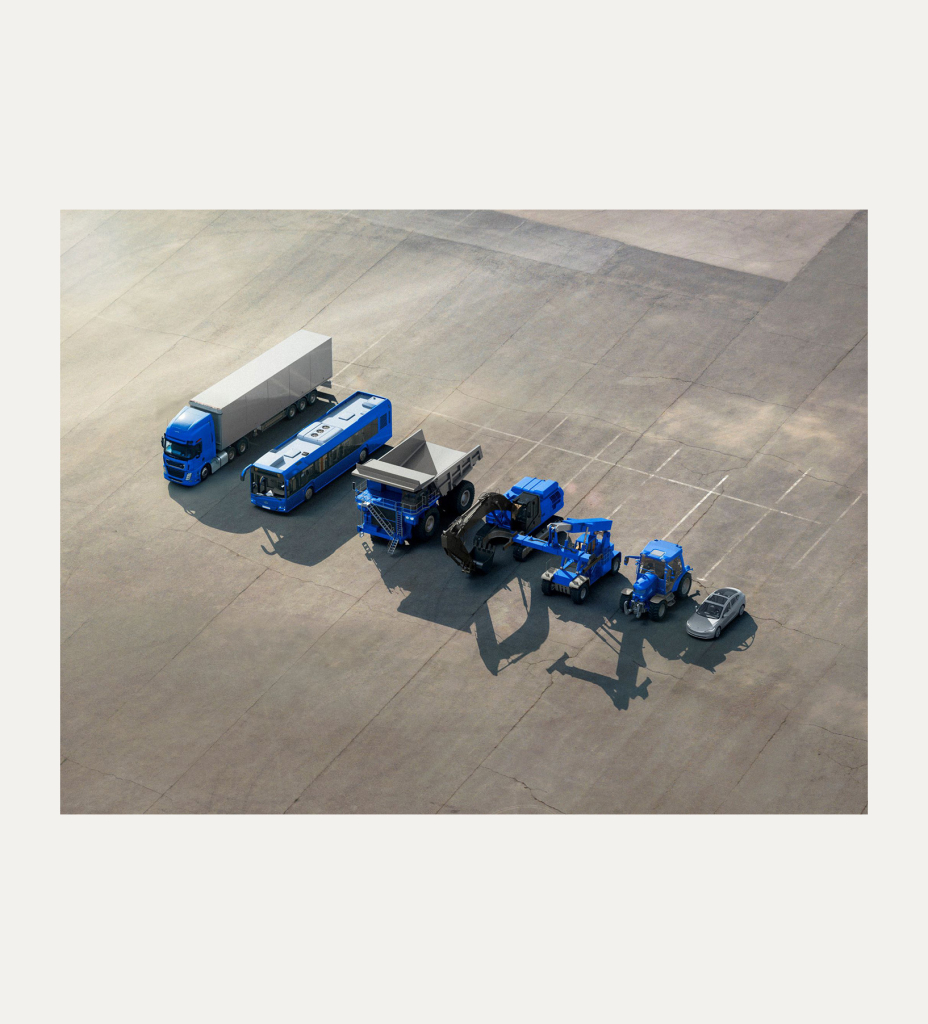
At the same time, the announcement underscores a broader truth about Europe’s mobility transition: electrification pathways are becoming more diverse and industrially complex. Passenger cars and vans may dominate headlines, but heavy-duty vehicles like trucks, buses and trailers, and off-highway machinery such as construction and agricultural equipment are operating under separate regulatory regimes. For IONCOR, these segments are already the focus growth area. While they are less impacted by the December 2035 passenger-car CO₂ decision, the push toward electrification in these segments continues to accelerate, providing opportunities to apply IONCOR’s expertise in battery systems.
This dual-market perspective is important. For passenger cars, the EU’s revised target provides OEMs with greater certainty and operational manageability, reducing the risk of program delays or abrupt capacity shifts. This supports IONCOR’s revenue and ensures continued engagement with its main customers. Meanwhile, IONCOR’s focus on heavy-duty and off-highway electrification positions the company to capture emerging opportunities where technical complexity is high, and the need for reliable battery partners is growing. The combination of short-term stability and long-term optionality strengthens IONCOR’s strategic position across the automotive landscape.
The revised framework also emphasizes the importance of industrial resilience. Regional manufacturing capability, supply-chain reliability, and adaptability are increasingly critical. OEMs need partners who can deliver high-quality batteries across varying volumes, lifecycles, and technical requirements. IONCOR’s experience as a flexible contract manufacturer, combined with the optional capability to operate as a system supplier, aligns perfectly with these demands. The company can support both established passenger programs and emerging heavy-duty/off-highway initiatives without requiring OEMs to overcommit internal resources.
Importantly, the view that the EU’s 2035 revision is “bad for batteries” is misleading. While the passenger-car rules are less rigid than before, the overall direction of electrification remains strong. Battery demand is not diminishing, it is simply evolving. OEMs must manage more diverse product portfolios and regulatory pathways, which in turn increases the value of capable, flexible battery partners. Companies that can deliver reliable, adaptable solutions across multiple vehicle types are not just resilient, they are critical to the success of the broader transition.
In practical terms, the EU decision represents both clarity and opportunity for IONCOR. The core automotive business retains regulatory momentum without the pressure of an absolute 2035 ICE phase-out. OEMs benefit from flexible compliance options, which supports more predictable production programs and sustained engagement with battery suppliers. Simultaneously, IONCOR’s strategic investment in heavy-duty and off-highway electrification ensures it is well positioned for the next wave of mobility innovation, where technical sophistication and industrial execution will define winners.
The automotive transition is ongoing. Batteries remain central, but the pathways to electrification are becoming more nuanced. For IONCOR, this is not a challenge, it is a validation of the company’s strategy: maintaining a strong presence in passenger automotive programs while expanding into high-potential heavy-duty and off-highway segments. The December 2025 EU decision confirms that flexibility, expertise, and industrial execution are now more valuable than ever.